
By Dr. Shirley J. Caruso, Ed.D.
Introduction
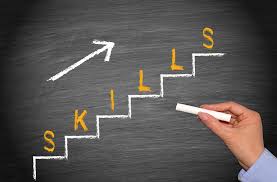
In today’s rapidly evolving job market, organizations and employees face the challenge of keeping up with technological advancements, automation, and shifting industry demands. Upskilling and reskilling have emerged as crucial strategies for workforce development. While upskilling refers to enhancing current skills to improve performance in existing roles, reskilling involves training individuals in new skills to transition into different jobs (World Economic Forum, 2020). This article explores the significance of upskilling and reskilling, their benefits, implementation strategies, and future trends.
The Importance of Upskilling and Reskilling
The modern workplace is transforming due to advancements in artificial intelligence (AI), machine learning, and digitalization. According to a report by McKinsey & Company (2021), up to 30% of jobs could be automated by 2030, necessitating a shift in workforce capabilities. Organizations that fail to invest in employee development risk falling behind competitors and facing talent shortages.
Moreover, the COVID-19 pandemic accelerated digital transformation, compelling businesses to adapt rapidly (Harvard Business Review, 2021). Many workers found themselves displaced due to automation, leading to a heightened demand for reskilling initiatives. Organizations that prioritize continuous learning create a resilient workforce capable of navigating industry disruptions.
Benefits of Upskilling and Reskilling
For Employees
- Career Growth and Employability: Employees who engage in continuous learning enhance their career prospects and remain relevant in their fields (Bersin, 2022).
- Job Security: Workers who acquire new skills are less likely to be replaced by automation or economic downturns.
- Increased Job Satisfaction: Learning new skills fosters motivation and engagement, leading to higher job satisfaction (Deloitte, 2020).
For Organizations
- Enhanced Productivity: Well-trained employees perform tasks more efficiently, improving overall organizational performance (Gartner, 2021).
- Reduced Hiring Costs: Investing in employee development minimizes the need for external hiring and associated expenses.
- Competitive Advantage: Organizations that prioritize learning and innovation stay ahead in their industries.
Strategies for Effective Upskilling and Reskilling
Assessing Skill Gaps
Organizations must identify existing skill gaps through employee assessments, performance reviews, and industry trends. Tools such as AI-driven analytics can provide insights into future skill requirements (LinkedIn Learning, 2021).
Developing a Learning Culture
A strong learning culture encourages employees to embrace continuous education. Companies like Google and Amazon foster such cultures through in-house training programs and tuition reimbursement initiatives (Forbes, 2022).
Leveraging Online Learning Platforms
Digital platforms such as Coursera, Udemy, and LinkedIn Learning provide flexible and cost-effective upskilling solutions. These platforms enable employees to learn at their own pace, ensuring a seamless integration of training into work schedules (Deloitte, 2021).
Implementing Mentorship and Coaching
Mentorship programs connect employees with experienced professionals who provide guidance and support during skill development. Research indicates that mentorship improves learning retention and enhances career progression (Harvard Business Review, 2022).
Investing in Industry-Specific Training
Organizations should tailor training programs to align with industry needs. For instance, the healthcare sector focuses on digital health technologies, while the finance industry prioritizes fintech and blockchain (World Economic Forum, 2021).
Challenges in Upskilling and Reskilling
Financial Constraints
Training programs require significant investment, which may be challenging for small and medium-sized enterprises (SMEs). Government subsidies and corporate partnerships can help alleviate financial burdens (McKinsey & Company, 2022).
Employee Resistance to Change
Some employees may resist upskilling due to fear of change or lack of confidence. Addressing concerns through clear communication and demonstrating the benefits of learning can mitigate resistance (Bersin, 2021).
Time Management Issues
Balancing work responsibilities with training can be challenging. Organizations should integrate learning into daily workflows and provide flexible training schedules (Gartner, 2022).
The Future of Upskilling and Reskilling
The future of workforce development is shaped by emerging trends such as AI-driven personalized learning, virtual reality (VR) training, and competency-based education. According to the World Economic Forum (2022), 50% of employees will need reskilling by 2025 due to technological disruptions.
Moreover, collaborative efforts between governments, educational institutions, and businesses are crucial in fostering large-scale reskilling initiatives. Public-private partnerships can help bridge the skills gap and ensure a future-ready workforce (Deloitte, 2022).
Conclusion
Upskilling and reskilling are essential for both employees and organizations in the face of technological advancements and changing industry demands. By assessing skill gaps, fostering a learning culture, and leveraging modern training tools, companies can create a resilient workforce. As industries continue to evolve, continuous learning will remain a key driver of professional and organizational success.
References
Bersin, J. (2021). The new world of work: Skills and strategies for success. Harvard Business Review.
Bersin, J. (2022). Career resilience in the digital age. Deloitte Insights.
Deloitte. (2020). Workforce transformation: The role of learning and development. Deloitte Insights.
Deloitte. (2021). The future of corporate learning: Trends and innovations. Deloitte Insights.
Deloitte. (2022). Public-private partnerships in workforce development. Deloitte Insights.
Forbes. (2022). How leading companies invest in upskilling their workforce.
Gartner. (2021). The impact of training on employee productivity.
Gartner. (2022). Future workforce skills: Strategies for success.
Harvard Business Review. (2021). The impact of digital transformation on workforce skills.
Harvard Business Review. (2022). Mentorship and career development in the digital age.
LinkedIn Learning. (2021). Skills of the future: A guide for professionals.
McKinsey & Company. (2021). Jobs lost, jobs gained: Workforce transitions in a time of automation.
McKinsey & Company. (2022). Funding workforce training: Challenges and opportunities.
World Economic Forum. (2020). The future of jobs report.
World Economic Forum. (2021). Industry-specific training trends.
World Economic Forum. (2022). Reskilling revolution: Preparing for the workforce of the future.
Image Source: https://hrdailyadvisor.blr.com/2022/04/26/how-upskilling-and-reskilling-workers-went-from-a-good-idea-to-a-necessity/