
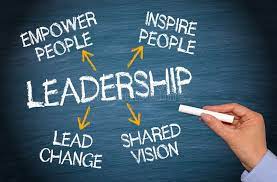
Leadership development is not just a buzzword; it’s a vital aspect of organizational growth and success. In today’s rapidly changing world, effective leadership is crucial for navigating complexities, inspiring teams, and driving innovation. But what exactly does it take to cultivate exceptional leaders? According to James Kouzes and Barry Posner, renowned scholars in the field of leadership studies, the answer lies in their comprehensive framework outlined in their book “The Leadership Challenge,” first published in 1987 and revised in 2017. In this article, we delve into Kouzes and Posner’s insights to understand the essence of leadership development in contemporary contexts.
Understanding the Five Practices of Exemplary Leadership:
Kouzes and Posner’s leadership model revolves around five fundamental practices that exemplary leaders consistently demonstrate:
- Model the Way: Exemplary leaders set the example by aligning their actions with shared values and principles. They clarify their own values, beliefs, and visions, and they lead by example, embodying the behaviors they expect from others. By modeling integrity and authenticity, they inspire trust and commitment among their followers.
- Inspire a Shared Vision: Exceptional leaders articulate a compelling vision of the future that resonates with their teams. They paint a vivid picture of what could be and rally others around a common purpose. Through effective communication and storytelling, they ignite passion and enthusiasm, encouraging individuals to contribute their best towards collective goals.
- Challenge the Process: Instead of settling for the status quo, exemplary leaders constantly seek opportunities for improvement and innovation. They encourage experimentation and risk-taking, fostering a culture of continuous learning and growth. By challenging outdated practices and embracing change, they drive organizational progress and adaptability.
- Enable Others to Act: Successful leaders empower their teams by fostering collaboration, trust, and mutual respect. They create an environment where individuals feel valued and empowered to take initiative. By delegating responsibilities and providing support, they cultivate a sense of ownership and accountability among team members, enabling them to unleash their full potential.
- Encourage the Heart: Exceptional leaders recognize and celebrate the contributions of others. They express appreciation, provide meaningful feedback, and celebrate milestones and achievements. By acknowledging the efforts and accomplishments of their team members, they foster a positive and supportive work culture, strengthening morale and motivation.
Implementing the Leadership Practices:
While the five practices provide a solid foundation for leadership development, implementing them effectively requires a strategic and systematic approach. Kouzes and Posner emphasize the importance of intentional leadership development initiatives that integrate these practices into everyday organizational processes. Here are some key strategies for implementing leadership practices:
- Leadership Training Programs: Develop structured leadership development programs that provide leaders with the knowledge, skills, and tools to embody the five practices. Incorporate experiential learning activities, case studies, and simulations to reinforce key concepts and encourage practical application.
- Mentorship and Coaching: Pair emerging leaders with experienced mentors or coaches who can provide guidance, support, and feedback. Encourage regular coaching conversations focused on goal setting, self-reflection, and skill development.
- 360-Degree Feedback: Implement a 360-degree feedback process to gather insights from peers, subordinates, and supervisors about leaders’ effectiveness in practicing the five behaviors. Use this feedback to identify strengths, areas for improvement, and development opportunities.
- Leadership Assessments: Utilize validated leadership assessments, such as the Leadership Practices Inventory (LPI), to measure leaders’ competency levels in the five practices and track their progress over time. Use assessment results to tailor development plans and interventions to individual needs.
- Leadership Development Plans: Work with leaders to create personalized development plans that outline specific goals, actions, and timelines for enhancing their proficiency in the five practices. Provide resources, support, and accountability mechanisms to ensure follow-through and continuous improvement.
- Organizational Culture Alignment: Foster a culture that values and prioritizes the five practices of exemplary leadership. Embed them into organizational values, performance expectations, and reward systems to reinforce desired behaviors and norms.
Conclusion
In a world characterized by volatility, uncertainty, complexity, and ambiguity (VUCA), effective leadership has never been more critical. Kouzes and Posner’s leadership model offers a timeless and practical framework for developing leaders who can inspire, empower, and guide others to achieve extraordinary results. By embracing the five practices of exemplary leadership and implementing strategic development initiatives, organizations can unleash the full potential of their leaders and create a culture of sustained excellence and innovation.
References
Kouzes, J. M., & Posner, B. Z. (2017). The Leadership Challenge: How to Make Extraordinary Things Happen in Organizations. John Wiley & Sons.
Image retrieved from https://www.dreamstime.com/photos-images/leadership.html
What are the key principles highlighted by Kouzes and Posner in their 2017 work on leadership development?
Kouzes and Posner, in their 2017 work on leadership development titled “The Leadership Challenge: How to Make Extraordinary Things Happen in Organizations,” emphasize five key principles that they describe as “The Five Practices of Exemplary Leadership.” These principles serve as a framework for effective leadership and are derived from extensive research and practical application. Here’s a detailed overview of each principle:
Model the Way:
Clarify Values: Leaders must be clear about their own values and principles. They need to articulate what they stand for and believe in.
Set the Example: Leaders must demonstrate the behaviors they expect from others. They should lead by example, aligning their actions with their stated values to build credibility and trust.
Inspire a Shared Vision:
Envision the Future: Leaders should have a clear vision of the future and be able to articulate it in a way that is compelling and inspiring to others.
Enlist Others: Effective leaders inspire and enlist others in their vision by appealing to shared aspirations and values. They communicate their vision in a way that resonates with the values and goals of their followers.
Challenge the Process:
Search for Opportunities: Leaders should always be on the lookout for innovative ways to improve and grow. They should be willing to take risks and experiment with new ideas.
Experiment and Take Risks: Leaders encourage a culture of learning from mistakes and view failures as opportunities for growth. They are not afraid to venture into unknown territories to achieve better results.
Enable Others to Act:
Foster Collaboration: Effective leaders build a climate of trust and facilitate strong relationships. They promote collaboration and teamwork by empowering others and involving them in decision-making processes.
Strengthen Others: Leaders enable others to act by enhancing their capacity and confidence. They provide the necessary resources, support, and training to help others succeed and feel competent.
Encourage the Heart:
Recognize Contributions: Leaders recognize and celebrate the achievements of individuals and teams. They show appreciation for people’s contributions and create a culture of encouragement and positive reinforcement.
Celebrate Values and Victories: Effective leaders celebrate the alignment of behaviors with the organization’s values and goals. They foster a sense of community and belonging by recognizing shared values and collective accomplishments.
Kouzes and Posner’s framework is rooted in the belief that leadership is a relationship between those who aspire to lead and those who choose to follow. The principles are designed to be practical and actionable, providing leaders with clear guidelines to develop their leadership skills and create positive, impactful change within their organizations.